
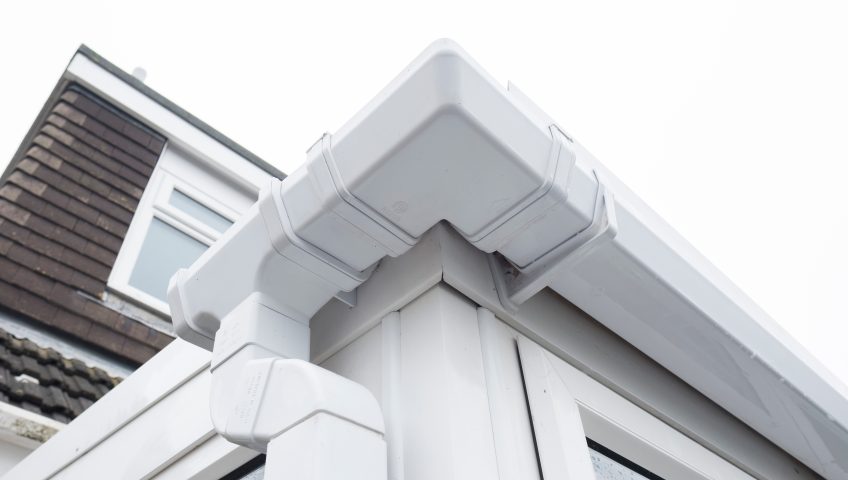
Why Gutters, Fascias and Soffits Matter to Watford Homes
The Roofline Does More Than Improve Appearance
Gutters, fascias and soffits form the visible edge of a roofing system, but their purpose extends well beyond appearance. Together, they help control rainwater, protect exposed roof timbers and finish the junction between the roof and outside walls.
These components are sometimes overlooked because they sit below the main covering. A homeowner may focus on tiles, slates or a flat roof membrane while assuming that the roofline only needs attention when it becomes visibly broken. In reality, deterioration around the roof edge can contribute to overflowing water, damaged timber, staining and moisture entering vulnerable sections of the building.
Homes across Cassiobury, Nascot Wood, Garston, North Watford, Holywell, Oxhey and West Watford rely on effective drainage throughout the year. Watford Roofing & Building provides professional guttering services alongside complete fascia and soffit solutions.
What Does the Guttering Do?
Guttering collects rainwater as it leaves the roof covering and directs it towards downpipes. From there, the water should move into an appropriate drain or discharge point rather than running down the outside of the building.
For the system to work correctly, gutters need to be adequately sized, securely supported and installed with an appropriate fall towards the outlet. Joints and stop ends must remain watertight, while downpipes need to be clear enough to manage water during sustained rainfall.
A defect in one section can affect the performance of the complete run. A low point may retain standing water, while a loose bracket can cause the gutter to sag and spill over. An obstructed outlet may produce overflowing further along the roofline even when the gutter itself is undamaged.
Our team assesses the position and condition of the complete system before recommending repair or replacement. This helps ensure that the source of the drainage problem is addressed rather than simply replacing the most visibly affected section.
Why Blocked Gutters Should Not Be Ignored
Leaves, moss, twigs and other debris can gradually accumulate inside guttering. As the available space becomes restricted, rainwater may begin moving more slowly or stop reaching the outlet altogether.
Overflowing water can run down external walls, splash onto windows and doors or soak the fascia board behind the gutter. Repeated wetting can create staining and accelerate deterioration around joints, fixings and decorative finishes.
Properties near mature trees may require more frequent checks, particularly during autumn. However, leaves are not the only cause. Moss and fragments from roof coverings can wash into gutters from above, while displaced components can partly obstruct outlets.
Homeowners should never lean from an upstairs window or use an unsecured ladder to clear a blockage. Safe access and suitable equipment are essential. When drainage problems occur alongside roof damage, our roof repair specialists can inspect the covering and roofline together.
What Are Fascia Boards?
Fascia boards run along the lower edge of a pitched roof and provide a finished surface to which gutter brackets are commonly attached. They also help protect the ends of rafters and other vulnerable components from direct exposure.
Traditional timber fascias can perform effectively when properly maintained, but coatings may eventually peel, crack or wear away. Once moisture reaches unprotected timber, the board can soften, distort or begin decaying. Modern uPVC systems reduce repainting requirements, although they must still be installed correctly and supported by sound materials beneath.
Warning signs include flaking paint, dark staining, visible splitting, movement around gutter brackets or sections that no longer form a straight line. Birds or insects entering gaps may also indicate deterioration around the roof edge.
Covering badly decayed timber without investigating it can conceal rather than resolve the problem. Our team checks the condition beneath the visible surface before recommending a repair, partial replacement or complete roofline installation.
What Do Soffits Do?
Soffits are installed beneath the fascia, closing the gap between the outer wall and the lower edge of the roof. They provide a neat finish while helping protect the underside of the roof structure from weather and pests.
Some soffit systems also form part of the roof ventilation arrangement. Controlled airflow can help manage moisture within the roof space, reducing the likelihood of condensation accumulating around insulation and timber.
Ventilation should not be blocked or altered without understanding how the roof has been designed. Replacing a ventilated soffit with an unsuitable solid product can affect airflow, while fitting new materials over deteriorated boards may leave existing damage hidden.
Visible warning signs include cracks, sagging sections, peeling coatings, staining or gaps at joints. Dampness around the roof edge should be considered alongside the condition of the gutters and fascia because the three components operate closely together.
Our roofing team can assess ventilation and roofline condition as part of a broader roof inspection.
Signs Your Roofline Needs Attention
Roofline problems can develop gradually, so homeowners should look for changes rather than waiting for complete failure. Water dripping from gutter joints, overflowing during rain and streaks down the outside wall are common early indicators.
Other signs include sagging gutters, loose brackets, cracked downpipes, rotting timber, peeling fascia paint and visible gaps beneath the roof edge. Damp marks in an upstairs room or loft may also be connected to water entering behind the gutter or around damaged eaves.
Green growth on external walls can indicate that an area remains damp for prolonged periods, although the cause should be properly investigated. Water may be coming from the roofline, another building component or more than one source.
When several symptoms appear together, a professional roof survey can help establish whether the issue is confined to the guttering or involves adjoining roofing materials.
Repairing Individual Sections
A complete roofline replacement is not always necessary. If most of the system remains sound, it may be possible to reseal a joint, replace a damaged length of gutter, install new brackets or renew a localised section of fascia.
Targeted repair works best when the cause is clearly identified and compatible replacement components are available. The surrounding materials must also be strong enough to support the repair.
For example, installing new gutter brackets into badly decayed timber will not create a durable result. Similarly, replacing one leaking joint may not solve overflowing caused by inadequate fall or a blocked downpipe.
Our team considers how the guttering, outlets, fascias, soffits and roof covering interact. This allows us to recommend work that restores the function of the system without replacing serviceable components unnecessarily.
Early repairs are usually easier to manage than widespread damage, which is why visible leaks, movement and staining should be investigated promptly.
When Complete Replacement Is More Suitable
Complete replacement may offer better value when the guttering has become brittle, multiple joints are failing or the fascia and soffit boards are deteriorated across several elevations.
It may also be appropriate when an older roofline has received numerous separate repairs or cannot adequately manage the volume of rainwater from the roof. A new system provides an opportunity to review outlets, downpipe positions, gutter falls and ventilation together.
The existing boards should be removed or assessed appropriately so that hidden timber damage is not simply covered. Where repairs are needed beneath the roofline, these can be completed before the new components are fitted.
Customers can select materials and finishes that complement the property, but performance and correct installation should remain the main priorities. Terraced and semi-detached homes may also require careful detailing where guttering connects with adjoining properties.
Watford Roofing & Building provides complete fascia and soffit installation tailored to the individual building.
Seasonal Roofline Maintenance
Roofline maintenance is particularly valuable before periods of frequent rainfall. A visual inspection from ground level can reveal sagging sections, visible debris and leaking joints. Problems are often easiest to identify while it is raining, provided observations are made safely from inside the property or at ground level.
After autumn, gutters may contain fallen leaves and organic material. Moss growth on roof coverings can also contribute debris throughout the year. Clearing the system allows water to move towards the outlets and makes damaged sections easier to see.
Spring provides another useful opportunity to check whether winter weather has moved brackets, opened joints or damaged downpipes. Commercial premises and rental properties may benefit from scheduled inspections so that maintenance is documented and completed before tenants or customers report internal damage.
Never walk on a roof or use unsuitable access equipment. Professional maintenance is a safer option when sections cannot be reached from a properly positioned access system.
Can Roofline Work Require Permission?
Routine repairs and replacement of gutters or downpipes do not generally require building regulations approval when they are completed as standalone maintenance. However, requirements can change when roofline work forms part of a larger roofing, structural or renovation project. Government guidance lists gutters and downpipes among work that ordinarily does not need building regulations approval, but property-specific circumstances should still be checked.
Additional considerations may apply to listed buildings and properties in conservation areas, particularly when changes affect external appearance or original architectural details. Watford Borough Council advises property owners to check whether their home is within a conservation area and whether an Article 4 direction applies.
Before changing materials or profiles on a restricted property, review the council’s conservation area guidance or obtain formal advice.
How Roofline Problems Affect the Main Roof
Gutter, fascia and soffit defects should not be viewed separately from the main roofing system. Overflowing water can affect the eaves, while deteriorated fascia boards may no longer support the guttering securely. Blocked ventilation can contribute to moisture remaining within the roof space.
Damage to the lower row of tiles or the underlay around the eaves may also allow water to travel behind the gutter rather than entering it correctly. In this situation, replacing the gutter alone will not resolve the cause.
A combined inspection is particularly useful when water is appearing near the top of an external wall or around an upstairs ceiling. The roofer can examine the roof covering, eaves detail, roofline and drainage route instead of considering each component in isolation.
Watford Roofing & Building provides complete roofing and roofline services throughout Watford, helping customers resolve connected defects through one experienced contractor.
Protecting Properties Across Watford
Well-maintained guttering, fascias and soffits help rainwater move away from the building while protecting vulnerable parts of the roof edge. They also provide a clean, finished appearance that can improve the overall presentation of the property.
Whether you own a house in Cassiobury, manage a rental property in West Watford or operate commercial premises near the town centre, roofline problems should be addressed before repeated water exposure causes wider damage.
Watford Roofing & Building can repair individual components, replace deteriorated sections and install complete roofline systems. Our team will inspect the property, explain what is causing the problem and provide a clear quotation for the recommended work.
Contact us to arrange an assessment of your gutters, fascias, soffits or wider roofing system.