Why Gutters, Fascias and Soffits Matter to Watford Homes

The Roofline Does More Than Improve Appearance

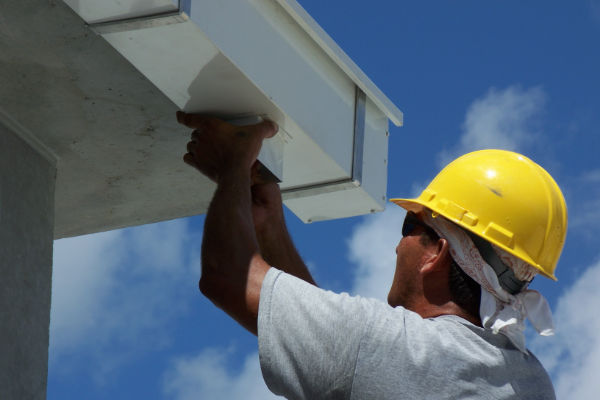
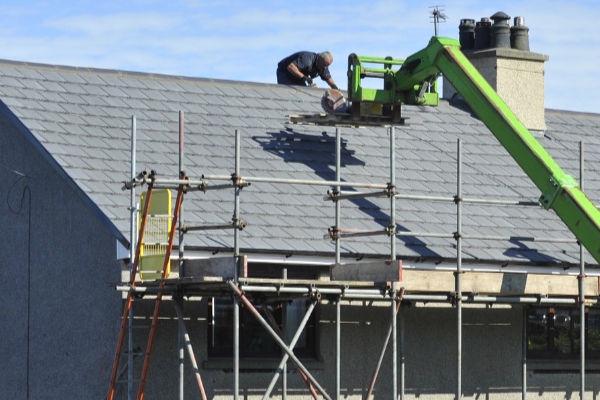
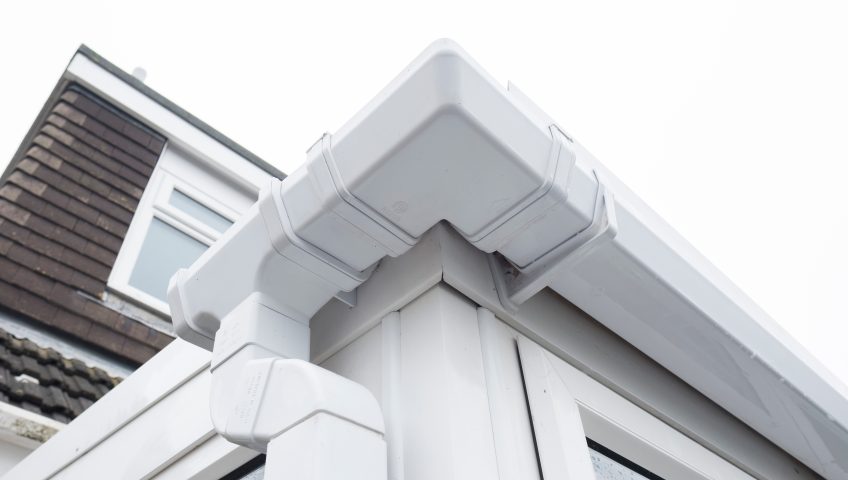
Gutters, fascias and soffits form the visible edge of a roofing system, but their purpose extends well beyond appearance. Together, they help control rainwater, protect exposed roof timbers and finish the junction between the roof and outside walls.

These components are sometimes overlooked because they sit below the main covering. A homeowner may focus on tiles, slates or a flat roof membrane while assuming that the roofline only needs attention when it becomes visibly broken. In reality, deterioration around the roof edge can contribute to overflowing water, damaged timber, staining and moisture entering vulnerable sections of the building.

Homes across Cassiobury, Nascot Wood, Garston, North Watford, Holywell, Oxhey and West Watford rely on effective drainage throughout the year. Watford Roofing & Building provides professional guttering services alongside complete fascia and soffit solutions.

What Does the Guttering Do?

Guttering collects rainwater as it leaves the roof covering and directs it towards downpipes. From there, the water should move into an appropriate drain or discharge point rather than running down the outside of the building.

For the system to work correctly, gutters need to be adequately sized, securely supported and installed with an appropriate fall towards the outlet. Joints and stop ends must remain watertight, while downpipes need to be clear enough to manage water during sustained rainfall.

A defect in one section can affect the performance of the complete run. A low point may retain standing water, while a loose bracket can cause the gutter to sag and spill over. An obstructed outlet may produce overflowing further along the roofline even when the gutter itself is undamaged.

Our team assesses the position and condition of the complete system before recommending repair or replacement. This helps ensure that the source of the drainage problem is addressed rather than simply replacing the most visibly affected section.

Why Blocked Gutters Should Not Be Ignored

Leaves, moss, twigs and other debris can gradually accumulate inside guttering. As the available space becomes restricted, rainwater may begin moving more slowly or stop reaching the outlet altogether.

Overflowing water can run down external walls, splash onto windows and doors or soak the fascia board behind the gutter. Repeated wetting can create staining and accelerate deterioration around joints, fixings and decorative finishes.

Properties near mature trees may require more frequent checks, particularly during autumn. However, leaves are not the only cause. Moss and fragments from roof coverings can wash into gutters from above, while displaced components can partly obstruct outlets.

Homeowners should never lean from an upstairs window or use an unsecured ladder to clear a blockage. Safe access and suitable equipment are essential. When drainage problems occur alongside roof damage, our roof repair specialists can inspect the covering and roofline together.

What Are Fascia Boards?

Fascia boards run along the lower edge of a pitched roof and provide a finished surface to which gutter brackets are commonly attached. They also help protect the ends of rafters and other vulnerable components from direct exposure.

Traditional timber fascias can perform effectively when properly maintained, but coatings may eventually peel, crack or wear away. Once moisture reaches unprotected timber, the board can soften, distort or begin decaying. Modern uPVC systems reduce repainting requirements, although they must still be installed correctly and supported by sound materials beneath.

Warning signs include flaking paint, dark staining, visible splitting, movement around gutter brackets or sections that no longer form a straight line. Birds or insects entering gaps may also indicate deterioration around the roof edge.

Covering badly decayed timber without investigating it can conceal rather than resolve the problem. Our team checks the condition beneath the visible surface before recommending a repair, partial replacement or complete roofline installation.

What Do Soffits Do?

Soffits are installed beneath the fascia, closing the gap between the outer wall and the lower edge of the roof. They provide a neat finish while helping protect the underside of the roof structure from weather and pests.

Some soffit systems also form part of the roof ventilation arrangement. Controlled airflow can help manage moisture within the roof space, reducing the likelihood of condensation accumulating around insulation and timber.

Ventilation should not be blocked or altered without understanding how the roof has been designed. Replacing a ventilated soffit with an unsuitable solid product can affect airflow, while fitting new materials over deteriorated boards may leave existing damage hidden.

Visible warning signs include cracks, sagging sections, peeling coatings, staining or gaps at joints. Dampness around the roof edge should be considered alongside the condition of the gutters and fascia because the three components operate closely together.

Our roofing team can assess ventilation and roofline condition as part of a broader roof inspection.

Signs Your Roofline Needs Attention

Roofline problems can develop gradually, so homeowners should look for changes rather than waiting for complete failure. Water dripping from gutter joints, overflowing during rain and streaks down the outside wall are common early indicators.

Other signs include sagging gutters, loose brackets, cracked downpipes, rotting timber, peeling fascia paint and visible gaps beneath the roof edge. Damp marks in an upstairs room or loft may also be connected to water entering behind the gutter or around damaged eaves.

Green growth on external walls can indicate that an area remains damp for prolonged periods, although the cause should be properly investigated. Water may be coming from the roofline, another building component or more than one source.

When several symptoms appear together, a professional roof survey can help establish whether the issue is confined to the guttering or involves adjoining roofing materials.

Repairing Individual Sections

A complete roofline replacement is not always necessary. If most of the system remains sound, it may be possible to reseal a joint, replace a damaged length of gutter, install new brackets or renew a localised section of fascia.

Targeted repair works best when the cause is clearly identified and compatible replacement components are available. The surrounding materials must also be strong enough to support the repair.

For example, installing new gutter brackets into badly decayed timber will not create a durable result. Similarly, replacing one leaking joint may not solve overflowing caused by inadequate fall or a blocked downpipe.

Our team considers how the guttering, outlets, fascias, soffits and roof covering interact. This allows us to recommend work that restores the function of the system without replacing serviceable components unnecessarily.

Early repairs are usually easier to manage than widespread damage, which is why visible leaks, movement and staining should be investigated promptly.

When Complete Replacement Is More Suitable

Complete replacement may offer better value when the guttering has become brittle, multiple joints are failing or the fascia and soffit boards are deteriorated across several elevations.

It may also be appropriate when an older roofline has received numerous separate repairs or cannot adequately manage the volume of rainwater from the roof. A new system provides an opportunity to review outlets, downpipe positions, gutter falls and ventilation together.

The existing boards should be removed or assessed appropriately so that hidden timber damage is not simply covered. Where repairs are needed beneath the roofline, these can be completed before the new components are fitted.

Customers can select materials and finishes that complement the property, but performance and correct installation should remain the main priorities. Terraced and semi-detached homes may also require careful detailing where guttering connects with adjoining properties.

Watford Roofing & Building provides complete fascia and soffit installation tailored to the individual building.

Seasonal Roofline Maintenance

Roofline maintenance is particularly valuable before periods of frequent rainfall. A visual inspection from ground level can reveal sagging sections, visible debris and leaking joints. Problems are often easiest to identify while it is raining, provided observations are made safely from inside the property or at ground level.

After autumn, gutters may contain fallen leaves and organic material. Moss growth on roof coverings can also contribute debris throughout the year. Clearing the system allows water to move towards the outlets and makes damaged sections easier to see.

Spring provides another useful opportunity to check whether winter weather has moved brackets, opened joints or damaged downpipes. Commercial premises and rental properties may benefit from scheduled inspections so that maintenance is documented and completed before tenants or customers report internal damage.

Never walk on a roof or use unsuitable access equipment. Professional maintenance is a safer option when sections cannot be reached from a properly positioned access system.

Can Roofline Work Require Permission?

Routine repairs and replacement of gutters or downpipes do not generally require building regulations approval when they are completed as standalone maintenance. However, requirements can change when roofline work forms part of a larger roofing, structural or renovation project. Government guidance lists gutters and downpipes among work that ordinarily does not need building regulations approval, but property-specific circumstances should still be checked.

Additional considerations may apply to listed buildings and properties in conservation areas, particularly when changes affect external appearance or original architectural details. Watford Borough Council advises property owners to check whether their home is within a conservation area and whether an Article 4 direction applies.

Before changing materials or profiles on a restricted property, review the council’s conservation area guidance or obtain formal advice.

How Roofline Problems Affect the Main Roof

Gutter, fascia and soffit defects should not be viewed separately from the main roofing system. Overflowing water can affect the eaves, while deteriorated fascia boards may no longer support the guttering securely. Blocked ventilation can contribute to moisture remaining within the roof space.

Damage to the lower row of tiles or the underlay around the eaves may also allow water to travel behind the gutter rather than entering it correctly. In this situation, replacing the gutter alone will not resolve the cause.

A combined inspection is particularly useful when water is appearing near the top of an external wall or around an upstairs ceiling. The roofer can examine the roof covering, eaves detail, roofline and drainage route instead of considering each component in isolation.

Watford Roofing & Building provides complete roofing and roofline services throughout Watford, helping customers resolve connected defects through one experienced contractor.

Protecting Properties Across Watford

Well-maintained guttering, fascias and soffits help rainwater move away from the building while protecting vulnerable parts of the roof edge. They also provide a clean, finished appearance that can improve the overall presentation of the property.

Whether you own a house in Cassiobury, manage a rental property in West Watford or operate commercial premises near the town centre, roofline problems should be addressed before repeated water exposure causes wider damage.

Watford Roofing & Building can repair individual components, replace deteriorated sections and install complete roofline systems. Our team will inspect the property, explain what is causing the problem and provide a clear quotation for the recommended work.

Contact us to arrange an assessment of your gutters, fascias, soffits or wider roofing system.
Roof repairs

Roof Repair or Replacement: Which Does Your Watford Home Need?

Why the Difference Matters

When a roof begins leaking or showing visible damage, one of the first questions a property owner may ask is whether it can be repaired or needs to be replaced completely. The right answer depends on more than the size of the visible defect.

A broken tile, isolated section of failed flashing or small damaged area can often be repaired without disturbing the remainder of a sound roof. However, repeated leaks, widespread material deterioration or structural concerns may make continuous repairs less economical.

Watford contains a broad range of residential and commercial properties across neighbourhoods including Cassiobury, Nascot Wood, North Watford, Holywell, Garston, Oxhey and West Watford. Different buildings have different roof designs, coverings and histories, so the decision should be based on the condition of the individual property.

Watford Roofing & Building provides both professional roof repairs and complete new roof installations, allowing our team to recommend a proportionate solution rather than treating every defect in the same way.

When an Isolated Repair May Be Enough

A repair is often suitable when damage is confined to a clearly defined area and the surrounding roofing materials remain in serviceable condition. Examples can include several slipped tiles, a cracked ridge tile, a localised flashing failure or damage caused by a specific weather event.

The underlying roof structure must also remain sound. If the supporting timbers, deck, underlay and adjoining coverings are dry and stable, replacing the affected components may restore weatherproofing without the cost and disruption of full replacement.

Prompt action is important. An isolated issue can become more extensive if rain repeatedly reaches the underlay, insulation or timber beneath it. By investigating the defect early, a roofer may be able to complete a focused repair before other materials are affected.

The repair should address the cause rather than simply cover the visible opening. Our team inspects the surrounding area to identify movement, deterioration or drainage problems that could cause the same issue to return.

Repeated Leaks Can Indicate Wider Deterioration

A roof that requires frequent repairs may have reached a point where isolated work is no longer providing dependable value. One leak may be unrelated to another, but repeated problems across different elevations can indicate that the covering, fixings or supporting materials are deteriorating more generally.

Property owners should consider how often work has been required, whether leaks are appearing in new places and whether previous repairs have remained effective. A growing collection of patches does not necessarily mean the complete roof must be replaced, but it is a strong reason to commission a wider assessment.

This can be particularly relevant when purchasing an older property in areas such as Nascot, Oxhey or around Watford’s established residential streets. Previous maintenance records may be incomplete, and visible repairs may not reveal the condition beneath the covering.

A professional roof survey can provide a clearer understanding of the roof as a complete system and help distinguish between manageable defects and widespread decline.

Consider the Condition Beneath the Covering

Tiles, slates or a flat roofing membrane form the visible surface, but the condition beneath them is equally important. Roofing underlay, battens, decking and structural timbers all contribute to the stability and weather resistance of the roof.

Water entering over an extended period can damage battens, saturate insulation and create damp conditions around timber. The visible opening may be relatively small while the affected area below is much larger. In these circumstances, replacing one external component may not address everything that has been damaged.

Signs of underlying problems can include sagging, movement, widespread staining in the loft, recurring mould or roofing materials that no longer sit evenly. These symptoms require professional investigation because structural sections should not be assessed from appearance alone.

When deterioration is extensive, complete roof replacement allows the covering to be removed so that supporting components can be inspected and repaired before the new system is installed. This produces a more complete result than repeatedly treating surface defects.

Different Roofing Materials Require Different Decisions

The suitability of repair or replacement is influenced by the type of roof covering. Individual tiles and slates can often be replaced when matching materials are available and the surrounding roof remains secure. However, widespread cracking, movement or fixing failure may point towards a larger project.

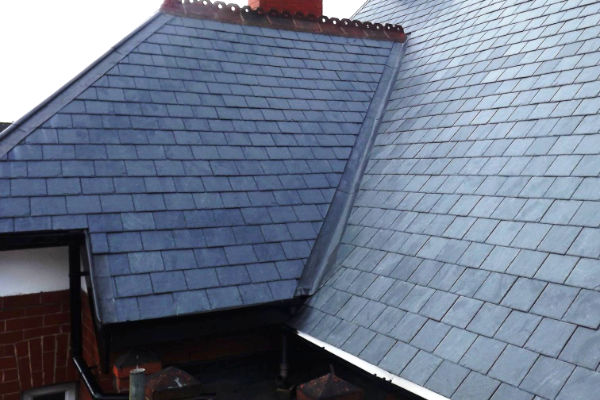
Natural slate is valued for its durability and distinctive appearance, but the fixings and materials beneath it can deteriorate independently of the visible slates. Our slate roofing specialists assess the complete build-up before recommending repair or replacement.

Flat roofs require a different approach. A split or failed joint may be repairable, but widespread blistering, trapped moisture, damaged decking or repeated ponding can make replacement more appropriate. Our flat roofing services cover garages, extensions, porches and other domestic or commercial structures.

The material alone should not determine the decision. Installation quality, ventilation, drainage, exposure and previous maintenance all influence how well a roof continues to perform.

Does the Roof Still Provide Reliable Weather Protection?

The primary purpose of the roof is to protect the building from rain, wind and changing external conditions. A roof may still appear reasonable from the street while allowing moisture through hidden junctions or deteriorated underlay.

Property owners should consider whether the roof remains dependable during prolonged rainfall. Recurring internal staining, damp loft insulation or water marks around chimney breasts indicate that the current system is not consistently weatherproof.

Movement and gaps may also allow wind-driven rain beneath the covering. This can affect areas that remain dry during lighter showers, making the fault appear intermittent and difficult to locate.

A thorough inspection considers roof coverings, ridges, valleys, verges, abutments, chimney details, leadwork, gutters and outlets. By examining these elements together, the roofer can determine whether the weatherproofing issue is localised or connected to the broader condition of the roof.

Watford Roofing & Building offers complete roofing services for domestic and commercial properties across the local area.

Roof Replacement Can Support Other Property Improvements

A complete roof replacement can sometimes be coordinated with other planned improvements. Homeowners may be preparing a loft space, renovating an extension, adding roof windows or upgrading the thermal performance of the property.

Combining related work can reduce the need to disturb a recently repaired roof at a later date. However, alterations to the roof structure, height, shape or external appearance may introduce planning or building regulation requirements that do not apply to a simple repair.

The national Planning Portal advises that re-roofing which does not materially affect a home’s external appearance will not usually require planning permission, but different rules apply to some alterations and restricted properties. Building regulations are separate from planning permission and may still apply to substantial work.

Before beginning a larger project, property owners should review Watford Borough Council’s planning and building control information. Listed buildings, flats and properties in conservation areas may require additional checks.

Conservation Areas and Traditional Properties

Parts of Watford contain properties whose external appearance contributes to the character of the surrounding area. When a building is listed or located in a conservation area, the choice of roofing material, profile and finish may require additional consideration.

Replacing traditional slate with a visibly different product, altering a roof facing the street or changing an important architectural detail may be treated differently from a like-for-like repair. Property owners should not assume that ordinary permitted development rights automatically apply.

Watford Borough Council explains that extra planning laws may affect development or alterations in conservation areas and provides a postcode-based map for checking whether a property is included. The authority also advises that listed buildings can require formal permission for alterations.

Homeowners can review the council’s conservation area and listed building guidance before selecting materials or approving a significant roof replacement.

Compare Long-Term Value Rather Than the Cheapest Immediate Option

A small repair will generally involve less work than replacing an entire roof, but the lowest initial cost is not always the best long-term decision. The important question is whether the proposed work will provide reliable protection for a reasonable period.

Repair remains the sensible choice when the defect is isolated and the rest of the roof is sound. Replacement becomes more attractive when multiple sections are failing, supporting materials are deteriorated or ongoing repairs are becoming frequent.

A transparent quotation should explain what has been found, what work is proposed and whether any additional damage may only become visible after materials are removed. Property owners should also ask what guarantees apply to workmanship and materials.

Watford Roofing & Building provides free quotations and straightforward recommendations. We do not recommend replacing a complete roof when a targeted, durable repair is sufficient. Equally, we will explain when repeated patching is unlikely to solve wider deterioration.

Why a Roof Survey Helps You Make the Right Decision

A roof survey provides evidence on which to base the repair-or-replace decision. It is particularly helpful before buying a property, planning a renovation or committing to repeated maintenance on an older roof.

The inspection may identify defects around ridges, valleys, flashing, chimney stacks, roof coverings, flat roof edges, gutters and supporting roofline components. Internal access can also reveal staining, condensation, damp insulation or movement that is not visible externally.

The findings allow work to be prioritised. Some roofs require one urgent repair followed by routine maintenance, while others benefit from a planned replacement before more serious leaks develop.

Our roof survey service is available throughout Watford, including Nascot Wood, Cassiobury, Garston, Leavesden, Holywell, Oxhey and surrounding communities.

A professional assessment can prevent unnecessary replacement while also helping property owners avoid spending repeatedly on a roof that can no longer provide dependable performance.

What Happens During a New Roof Installation?

When replacement is the recommended option, the project begins with careful planning. The existing covering is removed in a controlled manner, allowing the condition of the structure beneath to be assessed. Damaged or unsuitable components can then be addressed before the new roofing system is installed.

The precise process depends on whether the property has a tiled, slate or flat roof and whether structural changes are involved. Weather protection, access, waste removal and coordination with other trades may also form part of the plan.

Materials should be selected according to the roof design, required performance and appearance of the property. On adjoining or terraced homes, junctions with neighbouring roof coverings require particular attention.

Our team communicates with customers throughout the project, explaining progress and any additional findings. We use established installation methods and suitable materials to provide a roof designed for long-term protection.

Arrange an Honest Assessment of Your Roof

Choosing between repair and replacement should not be based on guesswork. A professional assessment can determine whether the problem is isolated, whether previous repairs remain effective and whether the structure beneath the covering is still sound.

Watford Roofing & Building supports homeowners, landlords and businesses throughout Watford with repairs, surveys, maintenance and complete roof installations. We assess each property individually and recommend work based on its condition rather than offering the same answer for every roof.

Contact our team to discuss your roofing concerns and arrange a free quotation.

How to Spot Roof Damage After Heavy Rain in Watford

Why Heavy Rain Often Reveals Existing Roof Problems

Heavy rainfall does not always create a roofing defect by itself. In many cases, it reveals a weakness that has already developed gradually through natural ageing, movement, poor previous repairs or prolonged exposure to the weather. A small opening around a tile, flashing detail or roof junction may remain unnoticed during dry periods but allow water through once rain becomes persistent.

Homes throughout Nascot Wood, Cassiobury, North Watford, Holywell, Oxhey and Garston can all experience roofing problems after periods of wet or windy weather. The type of property may differ, but every roof relies on a combination of coverings, underlay, flashing, drainage and sound structural support to remain weatherproof.

After heavy rain, homeowners should look for changes both inside and outside the property. Identifying a possible problem early can reduce the risk of damage spreading into ceilings, insulation, timber and internal finishes. Watford Roofing & Building provides professional roof repairs for properties affected by leaks, slipped materials, storm damage and general deterioration.

Look for Water Marks on Ceilings and Walls

One of the most recognisable signs of a roofing problem is a new water mark on an upstairs ceiling or wall. It may appear as a pale yellow or brown patch, a darker area of plaster or a line running down from the ceiling. In more serious cases, paint may begin bubbling, wallpaper may lift or water may drip into the room.

The position of an internal stain does not always identify the exact location of the external defect. Water can enter through one section of the roof and move along rafters, membranes, pipes or ceiling structures before becoming visible. A stain beneath the chimney does not automatically mean the chimney is the only source, just as a mark near an outside wall may originate further up the roof.

Avoid repeatedly painting over a damp patch without investigating the cause. The surface may look improved temporarily while moisture continues to enter the building. A professional inspection can trace the likely route of the water and determine whether the issue involves tiles, slates, flashing, a valley, a flat roof or another component.

Check the Loft for Dampness and Daylight

The loft can provide useful evidence of water ingress, especially when it is inspected shortly after rainfall. From a safe position, look for damp insulation, discoloured roof timbers, beads of moisture, staining on the underside of the roofing membrane or a musty smell that was not present previously.

Small shafts of daylight may also indicate gaps in the roof covering, although not every visible light source represents a leak. Ventilation openings and certain roof details may allow controlled airflow. The important point is to identify anything new, irregular or accompanied by damp materials.

Do not walk across unsupported insulation or ceiling boards, and never attempt to climb onto a wet roof. Roof spaces can contain electrical wiring, restricted headroom and hidden gaps. When the source cannot be identified safely, arrange a detailed roof survey.

A survey allows the condition of accessible coverings, ridges, valleys, flashings, chimney details, gutters and roofline components to be considered together. This is often more effective than guessing from the location of a stain.

Missing, Cracked or Slipped Tiles

Strong wind and heavy rain can expose damaged or poorly secured roof tiles. From ground level, homeowners may notice an uneven line, an obvious gap or a tile sitting lower than those around it. Broken fragments may also appear in the garden, driveway or guttering.

A single missing tile should not be ignored. Roof coverings are designed to overlap and direct rain towards the gutter, so a gap can leave the underlay and supporting structure more exposed. Water may then reach areas that were never intended to manage regular rainfall.

On properties around West Watford, North Watford and the town centre, neighbouring buildings can make some roof elevations difficult to see. Rear extensions, dormers and lower roof sections can also hide damage from the street. This is why internal evidence and professional inspection are particularly valuable.

Our team works with tiled and slate roofing systems, carefully matching replacement materials where possible and checking whether surrounding sections remain secure.

Flat Roof Blistering, Cracking and Standing Water

Flat roofs are commonly found on garages, porches, extensions, commercial units and altered residential properties. Despite their name, they should normally include a designed fall that directs rain towards an outlet or gutter. When drainage is restricted or the surface has deteriorated, water may remain on the roof for prolonged periods.

Warning signs can include visible cracking, blistered areas, lifted edges, splits around outlets or water entering where the flat roof joins the main building. Repeated patch repairs can sometimes conceal a wider issue without restoring the complete waterproofing system.

Homeowners should not step onto a flat roof to inspect standing water. The surface may be slippery, and hidden moisture can weaken decking beneath the covering. Watford Roofing & Building provides flat roofing services covering inspection, repair, maintenance and complete replacement.

The most appropriate solution will depend on the roof covering, the condition of the deck, the drainage arrangement and whether water has affected adjoining sections of the property.

Problems Around Chimneys and Lead Flashing

Chimney stacks create several junctions where different materials meet, making them important areas to inspect after heavy rain. Lead flashing is normally installed around these junctions to direct water away from the gap between the chimney and roof covering.

Over time, lead can split, lift, move or become separated from mortar joints. Previous repairs made with unsuitable sealants may also deteriorate, allowing rain to enter around the stack. Other potential concerns include damaged chimney pointing, cracked flaunching, loose pots and debris entering adjoining gutters or valleys.

Water marks near a chimney breast should be investigated carefully because more than one defect may be present. Our leadwork services include repairs and replacements around chimneys, valleys, dormers and other vulnerable roof details.

Properties within conservation areas or with listed status may be subject to additional requirements when external materials or architectural features are altered. Watford Borough Council provides information about conservation areas and listed buildings.

Overflowing or Leaking Gutters

Rainwater should flow from the roof covering into the gutters before passing safely through the downpipes. When gutters are blocked, damaged or incorrectly positioned, water can spill over the edge and run down fascia boards, brickwork, render, windows or external walls.

During rainfall, look from a safe ground-level position for overflowing sections, dripping joints or water running behind the gutter. Once the weather has cleared, signs may include staining, plant growth, sagging sections or debris collecting around outlets.

Tree-lined streets and gardens across areas such as Cassiobury, Nascot and Oxhey can leave roofs exposed to leaves, twigs and natural debris. Moss from roof coverings may also wash into the guttering and restrict the movement of water.

Our guttering services include repairs, replacement sections and complete installations. We can also inspect the supporting fascias and soffits when overflowing water has affected the wider roofline.

When a Roofing Problem Becomes an Emergency

Not every roofing concern requires an immediate call-out, but urgent assistance should be considered when water is entering the living space, a section of roofing has become unstable or storm damage has left the property exposed.

Other warning signs include loose materials that could fall, significant ceiling movement, water reaching electrical fittings or a damaged roof above a frequently used entrance. People should remain away from affected areas and avoid attempting temporary repairs from ladders during rain or strong winds.

Our emergency roofing team supports homeowners, landlords and businesses throughout Watford when sudden damage requires a prompt response. The initial priority is to assess the situation, reduce immediate exposure and determine what further work is needed.

Photographs taken safely from inside the property or at ground level may help explain the problem when making an enquiry. However, no one should place themselves at risk to obtain an image.

Should You Repair the Roof Yourself?

Small roofing problems can appear straightforward from ground level, but working at height introduces serious risks. Roof coverings may be slippery, brittle or unsupported, while ladders positioned on wet or uneven surfaces can move unexpectedly.

An improvised repair can also make the original defect more difficult to diagnose. Applying sealant around tiles, flashing or drainage outlets may temporarily redirect water without resolving the damaged component beneath it. In some cases, water then travels to a different part of the building and creates a less obvious problem.

A professional roofer can assess how the different parts of the roof interact and determine whether the visible damage is isolated. This is particularly important for recurring leaks, older roofs and properties that have received several previous repairs.

Homeowners planning substantial alterations or replacement work can review the Planning Portal guidance for roof projects. The guidance explains that planning and building regulation requirements depend on the nature of the work and any restrictions affecting the property.

Preventing the Same Problem From Returning

Once a leak has been repaired, it is worth considering why the problem developed and whether nearby sections require maintenance. Replacing one damaged tile may solve an isolated defect, but recurring water ingress can indicate deterioration around a wider area.

Periodic visual checks can help identify changes around ridges, chimney stacks, flat roofs and guttering. Gutters should remain clear enough to carry rainwater, while visible movement or staining around roof junctions should be investigated.

A roof does not need to look dramatically damaged before professional advice becomes worthwhile. Minor changes can provide an early warning that materials are beginning to move or lose their weatherproofing. This is especially relevant before autumn and winter, when roofs may face more frequent rain, wind and temperature changes.

Watford Roofing & Building delivers comprehensive roofing services across Garston, Leavesden, Nascot Wood, Holywell, Oxhey, Cassiobury and the wider Watford area.

Arrange a Professional Roof Inspection

Heavy rain can reveal problems that have remained hidden for months, but early investigation can prevent a small defect from affecting a much larger area of the property. Internal stains, damp loft insulation, slipped tiles, overflowing gutters and deterioration around flashing should all be treated as reasons to inspect the roof.

Watford Roofing & Building provides clear advice and dependable workmanship for roofs of different ages, materials and designs. Whether you require planned maintenance, an urgent repair or an assessment of the complete roofing system, our experienced team will identify the likely cause and explain the available options.

Contact Watford Roofing & Building to arrange a free quotation for your property.

Choosing a Roofing Company You Can Trust

Your roof is one of the most important parts of your property. It protects your home from the elements, improves energy efficiency and contributes to the overall appearance and value of your property. When problems arise, or you are planning a new roofing project, choosing experienced roofers in Watford can make all the difference.

At Watford Roofing & Building, we understand that every roofing project is unique. Whether you require a minor repair after storm damage, a complete roof replacement or routine maintenance, our experienced team provides reliable workmanship and professional service across Watford and the surrounding areas.

Why Choosing Professional Roofers Matters

Many homeowners only think about their roof when a problem becomes obvious. Unfortunately, by the time you notice a leak or missing tiles, the underlying damage may already be more extensive.

Professional roofers have the experience to identify issues before they become costly repairs. Regular inspections and prompt maintenance help extend the lifespan of your roof while protecting your home from water damage, structural problems and unnecessary expense.

Working with qualified roofing specialists also ensures that all work is completed safely and to a high standard. Roofing requires specialist equipment, technical knowledge and an understanding of different roofing materials, making professional installation and repairs essential.

Roofing Services Available in Watford

No two roofs are exactly alike. Different properties require different roofing systems depending on their age, design and construction.

At Watford Roofing & Building, we provide a comprehensive range of roofing services designed to meet the needs of both residential and commercial customers.

Roof Repairs

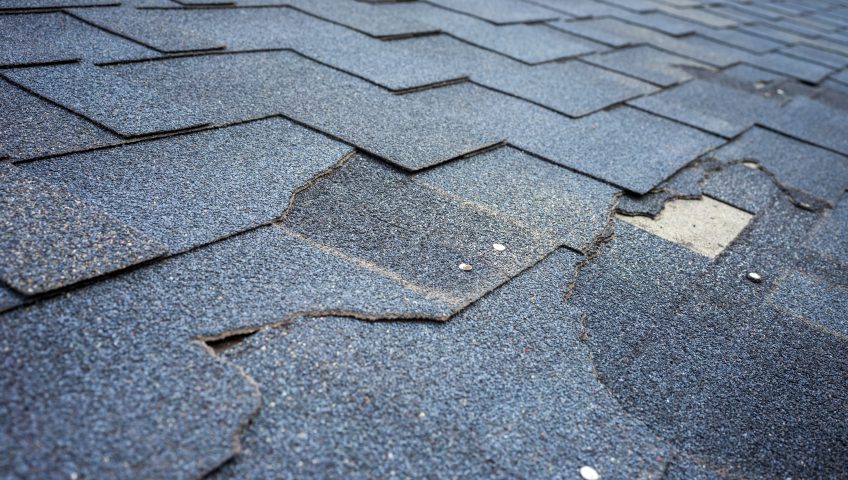
Even minor roofing problems should never be ignored. Small leaks, slipped tiles or damaged flashing can quickly develop into larger issues if left untreated.

Our roof repair service covers everything from replacing broken tiles to repairing chimney flashings, ridge tiles, valleys and damaged guttering. Prompt repairs help prevent further deterioration and protect your property from expensive internal damage.

New Roof Installations

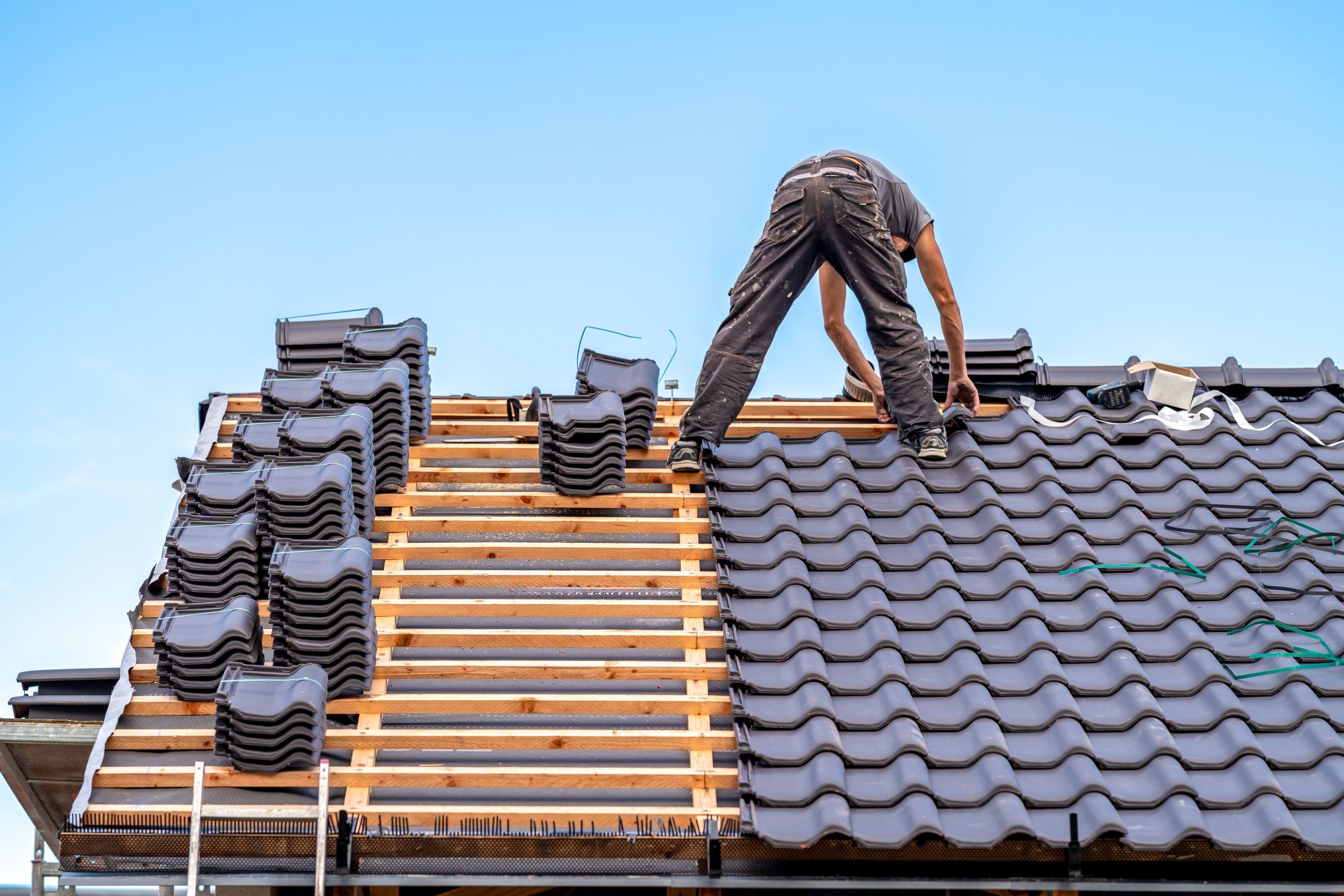
If your roof has reached the end of its lifespan or has suffered extensive damage, investing in a new roof can provide long-term peace of mind.

We install high-quality roofing systems using durable materials that are designed to withstand the British climate. Every new roof is completed with careful attention to detail, ensuring an attractive finish and reliable protection for decades to come.

Flat Roofing

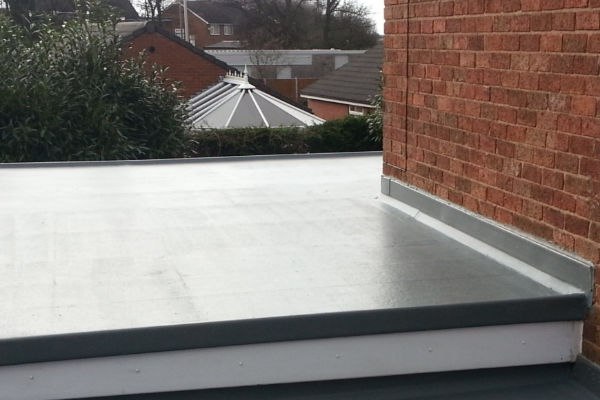
Flat roofs are popular on extensions, garages, commercial buildings and modern homes. They require specialist installation techniques to ensure effective drainage and long-lasting performance.

Our team installs and repairs flat roofing systems using modern materials that offer excellent durability and weather resistance while requiring minimal maintenance.

Slate Roofing

Natural slate remains one of the most attractive and durable roofing materials available. It offers exceptional longevity while complementing both traditional and contemporary properties.

Our experienced roofers carry out slate roof repairs, replacements and complete installations using carefully selected materials that preserve the character of your property.

Tiled Roofing

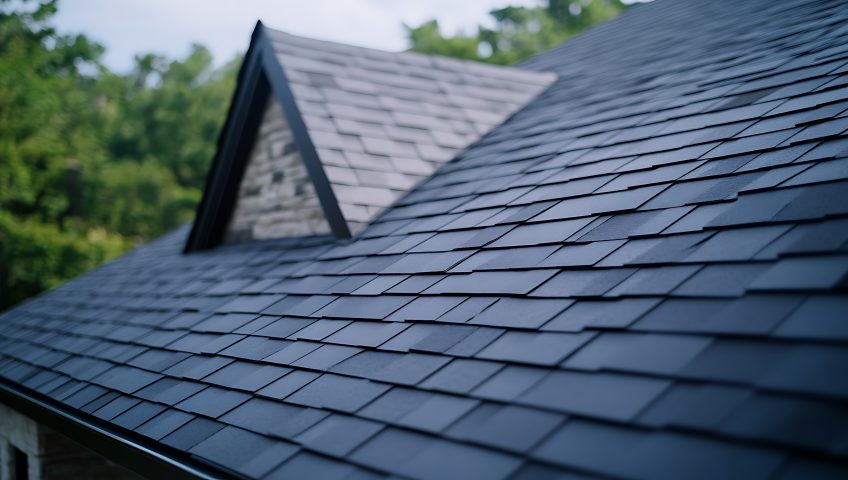
Roof tiles continue to be one of the most popular roofing choices throughout Watford due to their versatility, durability and wide range of styles.

Whether replacing damaged tiles or installing an entirely new tiled roof, we ensure every project is completed to the highest professional standards.

Call for a no obligation assessment and free quote
Contact us today on Watford 01923 439565

Signs You Need a Roofer

Many roofing issues begin gradually, making them easy to overlook until significant damage has occurred. Knowing what to look for can help you arrange repairs before problems worsen.

Common warning signs include missing or cracked roof tiles, damp patches on ceilings, water stains in the loft, sagging rooflines, blocked gutters filled with roofing debris and visible daylight entering the roof space.

Moss growth can also indicate trapped moisture, while damaged lead flashing around chimneys or roof valleys often allows water to penetrate the structure.

If you notice any of these issues, arranging a professional inspection can save both time and money.

The Importance of Regular Roof Maintenance

Routine maintenance is one of the most effective ways to maximise the lifespan of your roof.

Regular inspections identify potential problems before they become major repairs. Clearing gutters, replacing damaged tiles, checking flashing and ensuring adequate roof ventilation all contribute towards maintaining a healthy roofing system.

Preventative maintenance is typically far more affordable than dealing with emergency repairs following significant water ingress or storm damage.

Homeowners who invest in routine roof care often enjoy fewer unexpected repair bills and improved energy efficiency.

Why Local Roofers in Watford Make the Difference

Choosing a local roofing company offers several advantages.

As a locally based business, Watford Roofing & Building understands the area's housing styles, roofing materials and the weather conditions that commonly affect local properties.

We can respond quickly to enquiries, provide prompt site visits and build lasting relationships with customers throughout Watford and nearby communities.

Our reputation has been built through dependable workmanship, honest advice and consistently high standards of customer service.

Being local also means we're committed to maintaining our reputation within the community, giving customers added confidence in the quality of our work.

Roofing Materials Built to Last

Selecting the right roofing material is just as important as choosing the right contractor.

Modern roofing systems offer excellent durability while enhancing the appearance and efficiency of your home.

Depending on your property's requirements, suitable materials may include concrete roof tiles, clay tiles, natural slate or modern flat roofing membranes.

Every material offers different advantages regarding lifespan, maintenance requirements and visual appeal.

Our experienced team can explain the benefits of each option and recommend the most suitable solution for your property and budget.

Fascias

Call for a no obligation assessment and free quote
Contact us today on Watford 01923 439565

Protecting Your Home Throughout Every Season

British weather places constant pressure on roofing systems.

Heavy rainfall, strong winds, freezing temperatures and occasional storms can all contribute towards roof deterioration over time.

Seasonal inspections are particularly valuable after periods of severe weather, allowing damaged components to be repaired before water enters your property.

A well-maintained roof also improves insulation, helping to reduce heat loss during colder months while improving energy efficiency throughout the year.

Protecting your roof ultimately protects your entire home.

What to Expect When Working with Watford Roofing & Building

We believe every customer deserves clear communication, honest recommendations and high-quality workmanship from start to finish.

Our process begins with a thorough assessment of your roof, allowing us to identify the most effective solution for your individual circumstances.

We explain our findings clearly, provide transparent quotations and complete all work using quality materials and skilled craftsmanship.

Whether carrying out a small repair or a complete roof replacement, our goal remains the same: delivering dependable roofing solutions that stand the test of time.

Customer satisfaction remains at the centre of everything we do, and we take pride in building long-term relationships based on trust, reliability and excellent service.

Why Investing in Quality Roofing Pays Off

A professionally installed and properly maintained roof delivers benefits that extend far beyond weather protection.

Quality roofing enhances your property's appearance, increases market value, improves energy efficiency and provides confidence that your home is protected throughout every season.

Attempting short-term fixes or choosing the cheapest contractor often results in repeated repairs and greater expense over time.

Investing in experienced roofers ensures the work is completed correctly the first time, reducing future maintenance costs while delivering lasting value.

Whether you're planning improvements, purchasing a new property or responding to unexpected damage, selecting trusted roofers in Watford is one of the most important decisions you can make.

Trust Watford Roofing & Building for Roofing Excellence

When searching for dependable roofers in Watford, experience, professionalism and quality workmanship should always come first.

At Watford Roofing & Building, we have built our reputation by delivering reliable roofing services for homeowners and businesses throughout Watford and the surrounding areas. From emergency roof repairs and flat roofing to complete roof replacements, every project receives the same level of care and attention to detail.

If you are looking for experienced roofing specialists who prioritise quality, customer satisfaction and long-lasting results, our team is ready to help. Contact Watford Roofing & Building today to arrange a free quotation and discover why so many customers trust us to protect their homes with professional roofing solutions that are built to last.