
How to Spot Roof Damage After Heavy Rain in Watford
Why Heavy Rain Often Reveals Existing Roof Problems
Heavy rainfall does not always create a roofing defect by itself. In many cases, it reveals a weakness that has already developed gradually through natural ageing, movement, poor previous repairs or prolonged exposure to the weather. A small opening around a tile, flashing detail or roof junction may remain unnoticed during dry periods but allow water through once rain becomes persistent.
Homes throughout Nascot Wood, Cassiobury, North Watford, Holywell, Oxhey and Garston can all experience roofing problems after periods of wet or windy weather. The type of property may differ, but every roof relies on a combination of coverings, underlay, flashing, drainage and sound structural support to remain weatherproof.
After heavy rain, homeowners should look for changes both inside and outside the property. Identifying a possible problem early can reduce the risk of damage spreading into ceilings, insulation, timber and internal finishes. Watford Roofing & Building provides professional roof repairs for properties affected by leaks, slipped materials, storm damage and general deterioration.
Look for Water Marks on Ceilings and Walls
One of the most recognisable signs of a roofing problem is a new water mark on an upstairs ceiling or wall. It may appear as a pale yellow or brown patch, a darker area of plaster or a line running down from the ceiling. In more serious cases, paint may begin bubbling, wallpaper may lift or water may drip into the room.
The position of an internal stain does not always identify the exact location of the external defect. Water can enter through one section of the roof and move along rafters, membranes, pipes or ceiling structures before becoming visible. A stain beneath the chimney does not automatically mean the chimney is the only source, just as a mark near an outside wall may originate further up the roof.
Avoid repeatedly painting over a damp patch without investigating the cause. The surface may look improved temporarily while moisture continues to enter the building. A professional inspection can trace the likely route of the water and determine whether the issue involves tiles, slates, flashing, a valley, a flat roof or another component.
Check the Loft for Dampness and Daylight
The loft can provide useful evidence of water ingress, especially when it is inspected shortly after rainfall. From a safe position, look for damp insulation, discoloured roof timbers, beads of moisture, staining on the underside of the roofing membrane or a musty smell that was not present previously.
Small shafts of daylight may also indicate gaps in the roof covering, although not every visible light source represents a leak. Ventilation openings and certain roof details may allow controlled airflow. The important point is to identify anything new, irregular or accompanied by damp materials.
Do not walk across unsupported insulation or ceiling boards, and never attempt to climb onto a wet roof. Roof spaces can contain electrical wiring, restricted headroom and hidden gaps. When the source cannot be identified safely, arrange a detailed roof survey.
A survey allows the condition of accessible coverings, ridges, valleys, flashings, chimney details, gutters and roofline components to be considered together. This is often more effective than guessing from the location of a stain.
Missing, Cracked or Slipped Tiles
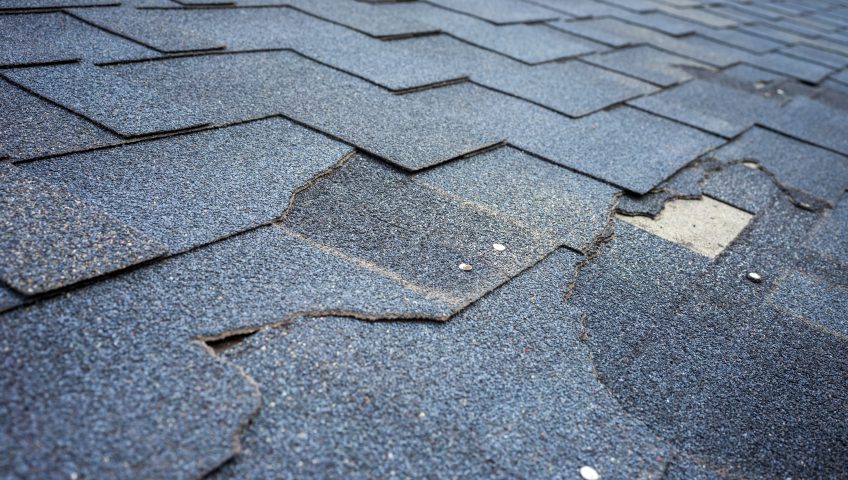
Strong wind and heavy rain can expose damaged or poorly secured roof tiles. From ground level, homeowners may notice an uneven line, an obvious gap or a tile sitting lower than those around it. Broken fragments may also appear in the garden, driveway or guttering.
A single missing tile should not be ignored. Roof coverings are designed to overlap and direct rain towards the gutter, so a gap can leave the underlay and supporting structure more exposed. Water may then reach areas that were never intended to manage regular rainfall.
On properties around West Watford, North Watford and the town centre, neighbouring buildings can make some roof elevations difficult to see. Rear extensions, dormers and lower roof sections can also hide damage from the street. This is why internal evidence and professional inspection are particularly valuable.
Our team works with tiled and slate roofing systems, carefully matching replacement materials where possible and checking whether surrounding sections remain secure.
Flat Roof Blistering, Cracking and Standing Water
Flat roofs are commonly found on garages, porches, extensions, commercial units and altered residential properties. Despite their name, they should normally include a designed fall that directs rain towards an outlet or gutter. When drainage is restricted or the surface has deteriorated, water may remain on the roof for prolonged periods.
Warning signs can include visible cracking, blistered areas, lifted edges, splits around outlets or water entering where the flat roof joins the main building. Repeated patch repairs can sometimes conceal a wider issue without restoring the complete waterproofing system.
Homeowners should not step onto a flat roof to inspect standing water. The surface may be slippery, and hidden moisture can weaken decking beneath the covering. Watford Roofing & Building provides flat roofing services covering inspection, repair, maintenance and complete replacement.
The most appropriate solution will depend on the roof covering, the condition of the deck, the drainage arrangement and whether water has affected adjoining sections of the property.
Problems Around Chimneys and Lead Flashing
Chimney stacks create several junctions where different materials meet, making them important areas to inspect after heavy rain. Lead flashing is normally installed around these junctions to direct water away from the gap between the chimney and roof covering.
Over time, lead can split, lift, move or become separated from mortar joints. Previous repairs made with unsuitable sealants may also deteriorate, allowing rain to enter around the stack. Other potential concerns include damaged chimney pointing, cracked flaunching, loose pots and debris entering adjoining gutters or valleys.
Water marks near a chimney breast should be investigated carefully because more than one defect may be present. Our leadwork services include repairs and replacements around chimneys, valleys, dormers and other vulnerable roof details.
Properties within conservation areas or with listed status may be subject to additional requirements when external materials or architectural features are altered. Watford Borough Council provides information about conservation areas and listed buildings.
Overflowing or Leaking Gutters
Rainwater should flow from the roof covering into the gutters before passing safely through the downpipes. When gutters are blocked, damaged or incorrectly positioned, water can spill over the edge and run down fascia boards, brickwork, render, windows or external walls.
During rainfall, look from a safe ground-level position for overflowing sections, dripping joints or water running behind the gutter. Once the weather has cleared, signs may include staining, plant growth, sagging sections or debris collecting around outlets.
Tree-lined streets and gardens across areas such as Cassiobury, Nascot and Oxhey can leave roofs exposed to leaves, twigs and natural debris. Moss from roof coverings may also wash into the guttering and restrict the movement of water.
Our guttering services include repairs, replacement sections and complete installations. We can also inspect the supporting fascias and soffits when overflowing water has affected the wider roofline.
When a Roofing Problem Becomes an Emergency
Not every roofing concern requires an immediate call-out, but urgent assistance should be considered when water is entering the living space, a section of roofing has become unstable or storm damage has left the property exposed.
Other warning signs include loose materials that could fall, significant ceiling movement, water reaching electrical fittings or a damaged roof above a frequently used entrance. People should remain away from affected areas and avoid attempting temporary repairs from ladders during rain or strong winds.
Our emergency roofing team supports homeowners, landlords and businesses throughout Watford when sudden damage requires a prompt response. The initial priority is to assess the situation, reduce immediate exposure and determine what further work is needed.
Photographs taken safely from inside the property or at ground level may help explain the problem when making an enquiry. However, no one should place themselves at risk to obtain an image.
Should You Repair the Roof Yourself?
Small roofing problems can appear straightforward from ground level, but working at height introduces serious risks. Roof coverings may be slippery, brittle or unsupported, while ladders positioned on wet or uneven surfaces can move unexpectedly.
An improvised repair can also make the original defect more difficult to diagnose. Applying sealant around tiles, flashing or drainage outlets may temporarily redirect water without resolving the damaged component beneath it. In some cases, water then travels to a different part of the building and creates a less obvious problem.
A professional roofer can assess how the different parts of the roof interact and determine whether the visible damage is isolated. This is particularly important for recurring leaks, older roofs and properties that have received several previous repairs.
Homeowners planning substantial alterations or replacement work can review the Planning Portal guidance for roof projects. The guidance explains that planning and building regulation requirements depend on the nature of the work and any restrictions affecting the property.
Preventing the Same Problem From Returning
Once a leak has been repaired, it is worth considering why the problem developed and whether nearby sections require maintenance. Replacing one damaged tile may solve an isolated defect, but recurring water ingress can indicate deterioration around a wider area.
Periodic visual checks can help identify changes around ridges, chimney stacks, flat roofs and guttering. Gutters should remain clear enough to carry rainwater, while visible movement or staining around roof junctions should be investigated.
A roof does not need to look dramatically damaged before professional advice becomes worthwhile. Minor changes can provide an early warning that materials are beginning to move or lose their weatherproofing. This is especially relevant before autumn and winter, when roofs may face more frequent rain, wind and temperature changes.
Watford Roofing & Building delivers comprehensive roofing services across Garston, Leavesden, Nascot Wood, Holywell, Oxhey, Cassiobury and the wider Watford area.
Arrange a Professional Roof Inspection
Heavy rain can reveal problems that have remained hidden for months, but early investigation can prevent a small defect from affecting a much larger area of the property. Internal stains, damp loft insulation, slipped tiles, overflowing gutters and deterioration around flashing should all be treated as reasons to inspect the roof.
Watford Roofing & Building provides clear advice and dependable workmanship for roofs of different ages, materials and designs. Whether you require planned maintenance, an urgent repair or an assessment of the complete roofing system, our experienced team will identify the likely cause and explain the available options.
Contact Watford Roofing & Building to arrange a free quotation for your property.